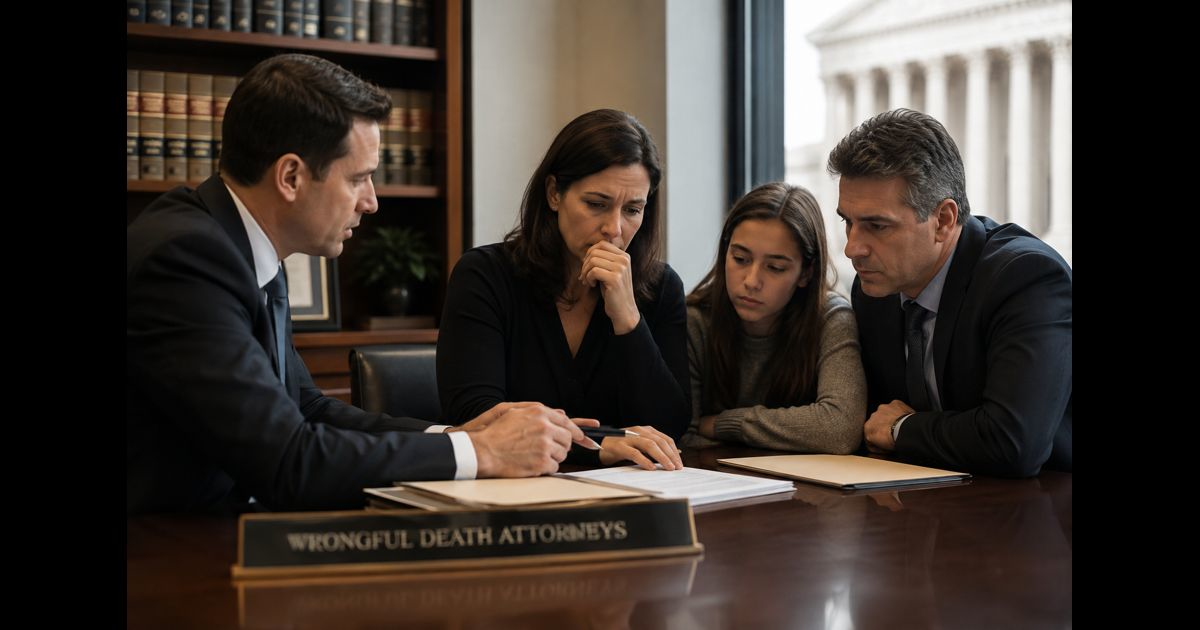
Wrongful death attorneys represent eligible family members or an estate when a person’s death may have been caused by another party’s negligence, wrongful conduct, or intentional act. Their work can include investigating the death, identifying the person or organization that may be legally responsible, protecting filing deadlines, valuing legally recoverable losses, and handling negotiations or litigation.
A fatal event may also lead to a criminal investigation, an insurance claim, a workplace inquiry, or a professional disciplinary review. Those processes can matter, but they are not the same as a wrongful death civil claim. A criminal case addresses whether the government can prove a crime. A wrongful death case asks whether the legally authorized claimant can establish civil liability and obtain the remedy available under the governing state law.
No lawyer can promise an outcome. The first useful question is not whether a case will produce a particular settlement, but which state’s law applies, who has authority to act, what evidence is still available, and which deadlines require attention.
What a Wrongful Death Attorney Evaluates
The precise elements of a wrongful death action are set by state statute and case law. In broad terms, counsel examines whether the evidence could support a finding that:
- the defendant owed the deceased person a legally recognized duty;
- the defendant breached that duty through an act or omission;
- the breach caused or legally contributed to the death; and
- the people entitled to recover suffered losses that the applicable law recognizes.
The facts may involve a traffic collision, unsafe property, a defective product, a workplace incident, professional negligence, or an intentional act. A death alone does not establish legal responsibility. The analysis depends on documents, witness accounts, expert evidence where needed, the applicable standard of care, and the connection between the alleged misconduct and the death.
Liability can involve more than one party. A driver, employer, property owner, manufacturer, contractor, health-care provider, government body, or insurer may each raise different factual and legal questions. Identifying the correct defendants early can be important because evidence, insurance coverage, notice rules, and deadlines may differ from one potential claim to another.
State Law Decides Who May Bring the Claim
Families often assume that the closest relative automatically has authority to file. That is not always true. Some states permit specified relatives to bring the claim; others require a personal representative to bring it for the estate or statutory beneficiaries. Eligibility can turn on marriage, parentage, dependency, adoption, the existence of a spouse or children, and other state-specific rules.
An attorney should identify the governing jurisdiction before making broad statements about who can sue, who receives any recovery, or how damages are divided. The location of the fatal event matters, but so can the residence of the parties, the place where a product was sold or used, the employer relationship, or a contract provision.
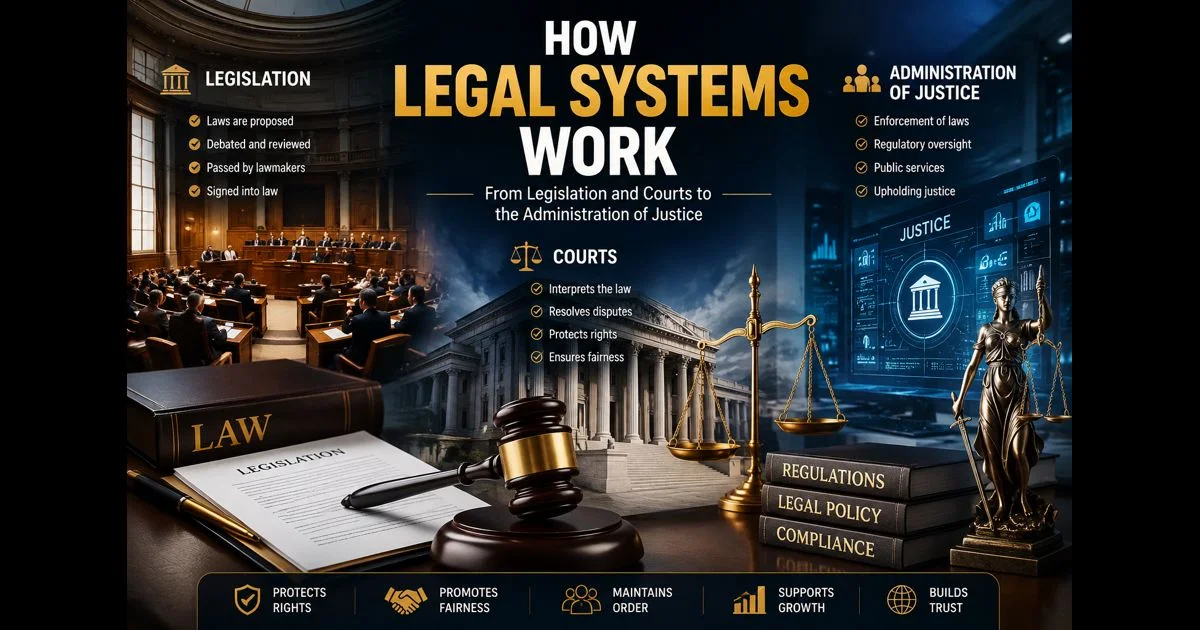
This distinction protects families from a common and painful problem: relatives may agree on the facts but disagree about decision-making authority. A lawyer can explain the filing structure, whether probate or an estate appointment is necessary, and what notices or consents may be required. For a broader explanation of how courts, legislation, and procedure interact, see how legal systems work.
Wrongful Death and Survival Claims Are Not Interchangeable
One of the most important early distinctions is between a wrongful death claim and a survival claim. A wrongful death action commonly addresses losses suffered by surviving beneficiaries because of the death, such as lost financial support or loss of a relationship, where permitted. A survival action generally continues a claim that the deceased person could have brought had they lived, subject to state law.
The two claims may arise from the same event, but they can belong to different parties, permit different categories of damages, and follow different procedural rules. A period of medical treatment before death, for example, can make the distinction especially significant. The Legal Information Institute’s overview of survival statutes is a useful starting point, but the controlling statute and decisions in the relevant state must be checked.
Early Work That Can Protect the Case
Families are often asked for statements, records, or signatures while still dealing with an immediate loss. A careful lawyer helps separate urgent preservation steps from decisions that can wait.
Depending on the circumstances, early work may include preserving photographs, video, messages, vehicle or device data, medical records, safety reports, inspection records, employment records, product information, and witness contact details. Counsel may send preservation notices when there is a realistic risk that relevant material will be altered or discarded. In a technical case, qualified experts may need access to a vehicle, site, product, or electronic record before conditions change.
Preserving material does not mean assuming fault. It means maintaining the information needed to assess what happened fairly. Families should avoid altering a product, repairing a vehicle, deleting messages, or posting detailed accusations online before obtaining advice about the possible effect on evidence and privacy.
Filing Deadlines Require Case-Specific Advice
Every state has filing deadlines, commonly called statutes of limitations. Some claims also have special notice requirements, especially when a public entity may be involved. A deadline can vary by claim type, defendant, date of discovery, the age of a beneficiary, probate circumstances, and statutory exceptions. A general online time limit is not a safe substitute for checking the current law that applies to the facts.
This is why an initial consultation can be useful even when a family has not decided to pursue litigation. It allows counsel to identify deadlines, preserve options, and explain what additional information is needed. The Legal Information Institute’s wrongful death overview likewise notes that these actions are governed by state law.
How Attorneys Build the Liability Record
The legal work in a wrongful death matter usually begins before a lawsuit is filed. An attorney may obtain official reports, interview witnesses, review photographs and recordings, analyze medical or business records, and identify the legal standards relevant to the alleged conduct. If a lawsuit is filed, the court process can allow formal evidence exchange, depositions, requests for documents, and expert testimony.
The evidence needed depends on the allegation. A roadway case may require crash reconstruction, vehicle data, toxicology records, and eyewitness evidence. A product case may require the product itself, warnings, design records, maintenance history, and engineering analysis. A medical negligence matter may require complete records and qualified expert review. A workplace death may involve employer records, safety procedures, contractor relationships, and workers’ compensation issues.
Good legal analysis does not treat every report as conclusive. A police report, insurer decision, internal investigation, or criminal charging decision may be relevant, but each has a different purpose and evidentiary status. Civil liability may be contested even where there is a criminal case, and a civil claim may be possible even if criminal charges are not filed.
Damages Depend on the Governing Law and Proof
Wrongful death damages are not a standard amount. State law controls the available categories, possible caps, recipients, and allocation. Depending on the jurisdiction and claim, recoverable losses may include:
- medical expenses connected to the final injury or illness;
- funeral and burial expenses;
- lost income, employment benefits, or household services;
- loss of financial support, care, guidance, or companionship; and
- in limited circumstances, punitive or exemplary damages.
Some loss calculations require economic expertise. The analysis may consider work history, benefits, expected earnings, household contributions, retirement plans, taxes, and the evidence supporting projected future losses. Non-economic losses are even more dependent on the wording of the statute and the relationship of the claimant to the deceased person.
An attorney should explain the difference between a legal category of damages and a guaranteed recovery. Insurance limits, comparative fault rules, collectability, liens, and the quality of available evidence can all affect what a claim is worth in practice.
Evaluating a Wrongful Death Attorney
Choosing counsel is a personal decision. Families can ask direct, practical questions without treating the meeting as an adversarial interview.
Ask About Relevant Experience and the Proposed Scope
Ask whether the lawyer has handled matters involving the same type of event and the same state law, and who will perform the day-to-day work. Complex cases may need a team with access to investigators, medical reviewers, accident reconstruction specialists, economists, or other experts. The useful answer explains the anticipated work and the reasons for it; it does not rely only on marketing language or a past result from unrelated facts.
Ask Who Has Authority to Make Decisions
Confirm who the client will be: an individual beneficiary, the estate, a personal representative, or another legally authorized party. Ask how the attorney will communicate with relatives who may be affected but are not the formal client. Clear expectations can reduce misunderstandings about confidentiality, settlement authority, and distribution of any recovery.
Review the Fee Agreement Before Signing
Many plaintiff-side wrongful death matters use a contingency fee, meaning the attorney’s fee is commonly calculated as a percentage of a recovery. The agreement should state the percentage, explain whether it changes at different stages, describe litigation expenses, and say how costs, liens, or repayments are handled. It should also explain what happens if there is no recovery or the client chooses to end the representation.
Do not rely on an oral summary when a written agreement is available. Ask for time to read it and ask about any provision that is unclear. This is part of the same informed decision-making that applies to other legal rights and responsibilities.
Discuss Conflicts, Communication, and Privacy
Ask whether the firm has any relationship with an insurer, employer, hospital, manufacturer, or other party connected to the matter. Ask how often updates will be provided, who will return calls, and how sensitive records will be handled. A family should understand what information may become public if litigation is filed and whether court rules allow any protection for private material.
Settlement, Litigation, and the Family’s Role
Many civil cases resolve through negotiated settlement, but a settlement is not automatic and trial is not always avoidable. Counsel should explain the decision points: what the evidence shows, the available insurance or assets, the legal risks, the impact of a release, and who has authority to accept or reject an offer.
No ethical attorney should present a settlement as a certainty or pressure a family to decide before the material terms are understood. A release can end claims against identified parties and sometimes others, so it deserves close attention. When beneficiaries have different interests, additional court review or separate legal advice may be necessary.
Questions to Bring to an Initial Consultation
Bring a simple timeline and the records already available. Useful questions include:
- Which state’s law applies, and why?
- Who is authorized to bring the claim and who may receive a recovery?
- What filing deadlines or special notices apply?
- Is an estate proceeding or personal representative appointment required?
- What evidence should be preserved immediately?
- Which claims may exist besides wrongful death, including a survival claim?
- What experts or investigations may be needed?
- How are fees, expenses, liens, and any recovery handled?
- Who will be the regular point of contact?
Keep copies of documents provided to the lawyer and request copies of any agreement you sign. A second opinion may be appropriate when the facts are complex, the family is divided about authority, or the proposed fee arrangement is unclear.
Final Thoughts
Wrongful death attorneys can help families understand a civil process that is often time-sensitive, evidence-heavy, and governed by state-specific rules. The most reliable first steps are to identify the proper jurisdiction, preserve relevant information, confirm who has authority to act, and review legal representation in writing. Because outcomes depend on the facts and the law of the state involved, a qualified attorney in the relevant jurisdiction should provide advice tailored to the individual matter.
Frequently Asked Questions
Is wrongful death a criminal charge?
No. A wrongful death action is generally a civil claim. The underlying conduct may also be investigated or prosecuted as a crime, but the two proceedings have different parties, standards, and possible outcomes.
Can any family member file a wrongful death lawsuit?
No. State law determines who may file and who may receive a recovery. In some states, a personal representative brings the claim for the estate or beneficiaries.
How long does a wrongful death case take?
There is no reliable universal timetable. Investigation needs, the number of parties, expert issues, insurance disputes, court scheduling, and settlement negotiations can all affect the duration.
Are wrongful death settlements public?
Some court filings are public, while settlements may be private or subject to confidentiality terms. The answer depends on the jurisdiction, the parties, court rules, and the agreement.
What should be avoided after a fatal incident?
Avoid destroying or altering potentially relevant evidence, accepting a release without understanding it, or posting detailed allegations online before obtaining legal advice. Preserve records and seek jurisdiction-specific guidance promptly.