A wrongful death attorney near me can be a useful starting point after a fatal accident, medical event, workplace incident, unsafe-property event, or other situation in which another person or organization may be legally responsible.
The right lawyer is not simply the closest office or the firm with the loudest advertising. A family needs counsel licensed for the relevant state, able to explain who has authority to bring a claim, and prepared to assess the facts without promising a result.
Wrongful death law differs from state to state. The place where the death occurred often matters, but so can the location of the parties, employer, property, product, or medical treatment. A local consultation can help identify which law applies and whether there are urgent steps to take.
Start With the State Where the Claim May Be Filed
A lawyer’s office address is only one consideration. Confirm that the attorney is licensed in the state whose law may govern the case.
The relevant state may be where the fatal event happened, where the responsible party is based, where a product was sold, or where medical care was provided. More than one state can sometimes be involved.
Ask the attorney to explain:
- Which state’s law is likely to apply
- Why that state has authority over the matter
- Whether another state’s deadlines or notice rules may also matter
- Whether the attorney will personally handle the case or work with local counsel
A clear explanation is more valuable than a vague assurance that the firm handles cases “nationwide.”
Confirm Who Has Legal Authority to Act
Family relationships do not always determine who may file a wrongful death action. State statutes may give that authority to a spouse, children, parents, other beneficiaries, or a personal representative of the estate.
In some situations, an estate must be opened and a representative appointed before a lawsuit can be filed. In others, eligible relatives may act directly. Adoption, dependency, marriage, divorce, and the existence of children can affect the analysis.
This is one reason relatives should avoid assuming that the closest family member automatically controls the case. A lawyer should explain the filing structure, the role of probate if any, and how decisions will be made among eligible people.
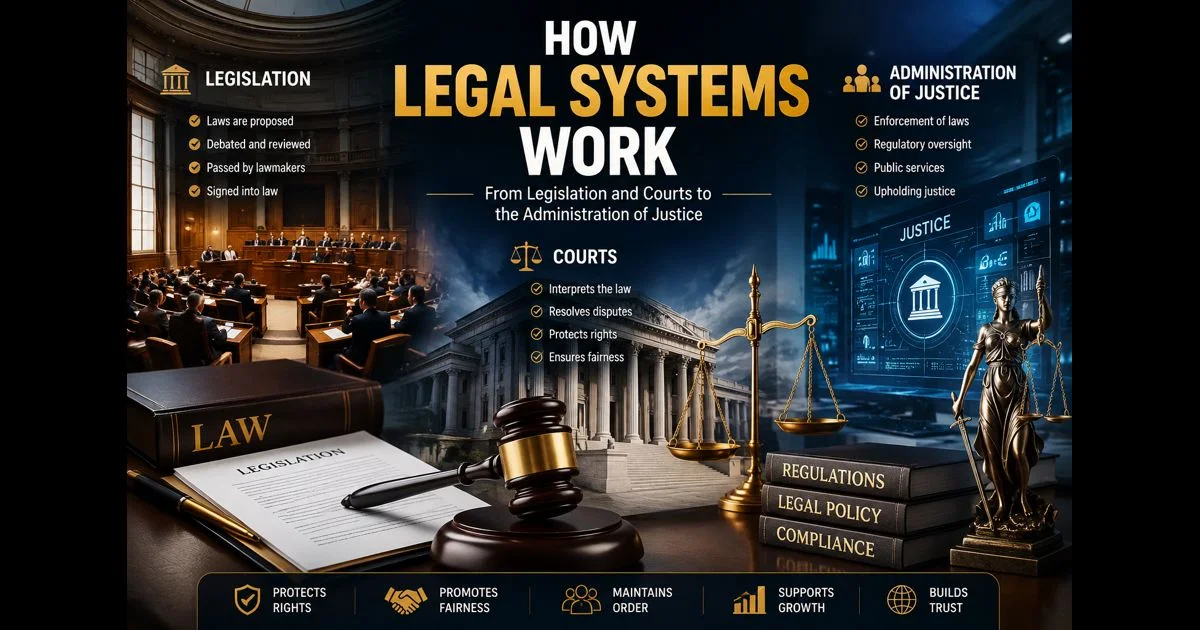
For a broader explanation of the legal framework behind civil claims, see how legal systems work.
Ask What the Attorney Will Review First
A responsible consultation begins with facts, not a settlement estimate.
The attorney may need to review incident reports, medical records, photographs, video, witness information, insurance details, employment records, product information, or communications connected to the event. The required evidence depends on what happened.
For example:
- A vehicle collision may involve scene evidence, vehicle data, witness accounts, and roadway conditions.
- A workplace death may involve safety procedures, contractor relationships, inspections, and employment records.
- A medical negligence matter may require complete treatment records and independent expert review.
- A product-related death may require preservation of the product, warnings, maintenance history, and design information.
A lawyer should be able to explain what information is needed, what can be obtained later, and what must be preserved quickly.
Protect Evidence Without Making Accusations
Evidence can disappear well before a filing deadline. Video may be overwritten, vehicles repaired, products discarded, witnesses become difficult to locate, and digital records altered or lost.
Families can keep relevant documents, photographs, messages, contact details, receipts, and official correspondence in one secure place. Avoid deleting communications, repairing or disposing of a product or vehicle, or making detailed public accusations before receiving legal advice.
Preservation is not a conclusion about fault. It allows the facts to be examined fairly.
An attorney may send a preservation notice when there is a reasonable concern that important material could be destroyed. That step can be especially important in cases involving companies, public entities, commercial vehicles, medical providers, or technical evidence.
Understand the Difference Between Wrongful Death and Survival Claims
A wrongful death claim and a survival claim may arise from the same event, but they are not identical.
A wrongful death claim generally addresses losses suffered by surviving beneficiaries as a result of the death, where state law permits recovery. A survival claim generally continues a claim the deceased person could have brought if they had survived.
The available damages, proper claimant, and filing requirements can differ. This distinction may be particularly important when there was medical treatment or conscious suffering before death.
Families considering local counsel can review this fuller guide to wrongful death attorneys for a careful overview of the claims and evidence involved.
Discuss Deadlines at the First Meeting
Wrongful death cases have filing deadlines, commonly called statutes of limitations. The deadline is not the same in every state, and exceptions can change the calculation.
Special rules may apply when:
- A government agency or public employee may be involved
- Medical negligence is alleged
- A minor has a potential claim
- An estate representative must be appointed
- The death followed an earlier injury or illness
- Another related claim has a separate deadline
Do not rely on a general time limit found online. Ask the attorney to identify the likely deadline, explain the assumptions behind it, and provide important dates in writing when possible.
A prompt consultation does not require a family to begin litigation. It can protect the ability to make an informed decision later.
Evaluate Experience by Case Type
“Wrongful death” describes a type of claim, but the underlying facts can require different experience.
A lawyer who handles commercial trucking cases may work with crash reconstruction and federal safety records. A lawyer handling medical negligence may need access to qualified medical experts. A workplace case may involve workers’ compensation rules, safety regulations, and multiple contractors.
Useful questions include:
- Have you handled cases involving facts similar to these?
- What evidence is usually most important in that type of case?
- Will outside experts be needed?
- What issues could make liability difficult to prove?
- Who at the firm will communicate with the family?
Experience should be explained specifically, without guarantees about the outcome.
Get the Fee Arrangement in Writing
Many wrongful death attorneys use a contingency-fee arrangement, meaning legal fees may depend on obtaining a recovery. The details still matter.
Before signing, ask for a written explanation of:
- The percentage charged as a legal fee
- Whether the percentage changes if a lawsuit is filed or appealed
- How case expenses are handled
- Whether expenses are deducted before or after the fee is calculated
- What happens if there is no recovery
- Whether liens, medical bills, or other obligations may affect the final amount received
A family should have time to read the agreement and ask questions. Pressure to sign immediately is a reason to slow down.
Look for Clear, Respectful Communication
A wrongful death case may involve grief, family disagreement, financial strain, and difficult facts. Communication matters as much as credentials.
A suitable attorney should listen carefully, explain uncertainty honestly, return calls within a reasonable time, and identify the person responsible for updates. They should distinguish between what is known, what still needs investigation, and what state law may limit.
No lawyer can responsibly promise a settlement amount, a quick result, or a victory. Careful legal help is measured by preparation, candor, and respect for the family’s decisions.
For additional guidance on evaluating legal information and professional claims, see what families should understand before choosing counsel.
Questions to Bring to a Local Consultation
A short written list can make a first meeting more useful.
- Which state’s law applies, and why?
- Who has authority to bring the claim?
- What deadlines or notice requirements need immediate attention?
- What evidence should be preserved now?
- Which people or organizations may be legally responsible?
- What damages may be available under the governing law?
- Who will work on the matter day to day?
- How will fees and case expenses be calculated?
- What information is still missing before a legal opinion can be given?
Bring documents that may help answer those questions, but do not delay a consultation simply because every record is not yet available.
Frequently Asked Questions
Does “near me” mean the lawyer must have an office in my city?
Not necessarily. The more important issue is whether the lawyer is licensed and able to handle a claim under the law that applies. A nearby office can make meetings easier, but it does not replace relevant experience and jurisdictional knowledge.
Can a wrongful death claim proceed if there is no criminal case?
Potentially, yes. Wrongful death is a civil claim. A criminal investigation and a civil action have different purposes, procedures, and standards of proof.
How soon should a family speak with an attorney?
A consultation may be useful as soon as practical because evidence and deadlines can require attention. Speaking with a lawyer does not require filing a lawsuit or accepting representation.
This article provides general legal information, not legal advice. Wrongful death rules, eligibility, deadlines, and damages depend on the jurisdiction and specific facts.