A wrongful death attorney in Los Angeles evaluates whether a death may support a civil claim under California law, determines who has the legal right to bring that claim, identifies potentially responsible parties, protects time-sensitive evidence, and explains the damages that eligible survivors may pursue.
A wrongful death claim does not arise simply because a death was unexpected or preventable. Liability must rest on a recognized legal basis, such as negligence, professional negligence, a defective product, an unsafe property condition, or intentional misconduct. The evidence must also connect the defendant’s conduct to the death.
This guide explains the California wrongful death framework, including eligibility, deadlines, damages, survival actions, evidence, special claims, and factors families can consider when choosing legal counsel. It provides general legal information rather than advice for any individual case.
What Is a Wrongful Death Claim in California?
California Code of Civil Procedure Section 377.60 permits a cause of action when a person’s death is caused by another party’s wrongful act or neglect.
The underlying conduct can take different forms. A claim may arise from:
- a fatal car, truck, motorcycle, bicycle, or pedestrian collision;
- professional medical negligence;
- an unsafe property condition;
- a defective or dangerous product;
- a workplace incident involving a legally responsible third party;
- negligent hiring, supervision, or retention;
- abuse or neglect in a care facility;
- misconduct by a public employee or entity; or
- an intentional wrongful act.
The legal theory depends on what happened. A vehicle-collision case does not require the same evidence as a medical-negligence or product-liability case. Describing a death as “wrongful” is therefore only the beginning of the analysis.
What Must Be Proven in a Wrongful Death Case?
The required proof depends on the legal basis of the claim. In an ordinary negligence case, the plaintiff generally must establish:
- The defendant owed the deceased person a legally recognized duty.
- The defendant breached that duty through an act or omission.
- The breach caused or legally contributed to the death.
- Eligible survivors sustained losses recognized under California law.
Other claims can involve additional or different requirements. A defective-product case may focus on the product’s design, manufacture, warnings, or foreseeable use. A medical-negligence case usually requires evidence about the applicable professional standard of care. An intentional act involves different legal questions from ordinary carelessness.
Causation is often central. It may be relatively direct when a person dies immediately in a collision, but considerably more disputed when the person had serious existing conditions, several parties contributed to the event, or the death occurred after a period of medical treatment.
Who Can File a Wrongful Death Lawsuit in California?
California does not allow every relative, friend, or person affected by a death to bring a wrongful death action.
Under California Code of Civil Procedure Section 377.60, eligible claimants can include:
- the surviving spouse;
- the registered domestic partner;
- the deceased person’s children;
- descendants of a deceased child; and
- when there is no surviving issue, people who would inherit the deceased person’s property through intestate succession.
The statute also recognizes certain people who were financially dependent on the deceased person. Depending on the facts, these may include:
- a putative spouse;
- children of a putative spouse;
- stepchildren;
- parents; and
- legal guardians when the deceased person’s parents are no longer living.
A minor may qualify under a separate provision if the minor lived in the deceased person’s household for the preceding 180 days and depended on the deceased person for at least half of the minor’s support.
Eligibility should not be assumed from emotional closeness alone. Marriage, parentage, adoption, dependency, the existence of children, and California intestate-succession rules can all affect who has standing.
What Is the Role of a Personal Representative?
Section 377.60 also permits the deceased person’s personal representative to assert the wrongful death cause of action on behalf of the eligible claimants.
That does not convert wrongful death damages into ordinary estate property. The wrongful death claim still concerns losses suffered by the people entitled to recover under the statute.
A personal representative may have a different role in a survival action, which continues certain claims belonging to the deceased person. The identity of the client, the beneficiaries represented, and the claims included should be made clear at the beginning of the case.
Multiple Heirs and California’s Single-Action Rule
California generally treats wrongful death as one joint and indivisible cause of action. Eligible heirs ordinarily participate in one action rather than bringing a series of separate lawsuits based on the same death.
This makes it important to identify all potential heirs. A case can become more complicated when:
- a previously unknown heir is discovered;
- relatives dispute marriage, parentage, or dependency;
- family members disagree about legal representation;
- one claimant wants to settle while another does not; or
- claimants disagree about how a recovery should be allocated.
Although the action is generally brought together, each eligible claimant may have different losses. A surviving spouse, an adult child, and a dependent parent do not necessarily experience the same financial or relational loss.
Wrongful Death and Survival Actions Are Different
Wrongful death and survival actions may arise from the same event, but they are not interchangeable.
A wrongful death claim belongs to eligible survivors. It compensates them for losses they personally experience because of the death.
A survival action continues qualifying claims that belonged to the deceased person before death. It is generally pursued by the personal representative or successor in interest.
Depending on the facts and governing law, a survival action may include:
- medical expenses incurred before death;
- wages lost between the injury and death;
- property damage;
- penalties available to the deceased person; and
- punitive or exemplary damages when the underlying legal requirements are satisfied.
California temporarily allowed recovery for a deceased person’s pre-death pain, suffering, or disfigurement in qualifying survival actions filed on or after January 1, 2022, and before January 1, 2026. Under the current language of Code of Civil Procedure Section 377.34, those damages are again generally excluded in standard survival actions filed on or after January 1, 2026.
The damages belonging to survivors should not be combined with damages belonging to the deceased person or estate without a clear legal basis.
Potentially Responsible Parties
A careful investigation should consider every person or organization whose conduct may have contributed to the death. The immediately visible actor is not always the only potentially responsible party.
Depending on the circumstances, potential defendants may include:
- an individual driver;
- a vehicle owner;
- an employer responsible for an employee’s conduct;
- a trucking or transportation company;
- a property owner or occupier;
- a contractor or subcontractor;
- a product manufacturer, distributor, or seller;
- a healthcare provider or institution;
- a care facility;
- a business responsible for security or maintenance;
- a public entity or public employee; or
- a person who committed an intentional act.
Each proposed defendant must be evaluated separately. Different defendants can have different duties, insurance policies, defenses, notice requirements, and filing deadlines.
Evidence in a Wrongful Death Case
The seriousness of a death does not by itself prove legal responsibility. A claim must be supported by admissible and reliable evidence.
Evidence concerning liability may include:
- police, collision, or incident reports;
- photographs and recordings;
- surveillance or traffic-camera footage;
- vehicle-event or electronic data;
- witness statements;
- medical records;
- autopsy and medical-examiner records;
- toxicology findings;
- workplace safety records;
- inspection and maintenance records;
- product warnings and design information;
- electronic messages or communications;
- business records; and
- testimony from qualified experts.
Evidence concerning damages may include:
- tax returns and earnings records;
- employment history;
- benefit and retirement information;
- evidence of regular financial contributions;
- household bills and records;
- funeral and burial expenses;
- evidence of services provided within the home; and
- testimony concerning the relationship between the deceased person and each eligible claimant.
A police report, insurance decision, internal investigation, or criminal charge can be relevant, but none automatically decides civil liability. Each record has its own purpose, limitations, and evidentiary status.
Why Evidence Preservation Matters
Evidence may disappear long before a filing deadline expires. Surveillance video can be overwritten, vehicles can be repaired or destroyed, physical conditions can change, and electronic records can be deleted through routine retention systems.
Families can preserve materials already in their possession without altering them. Useful early steps may include:
- retaining original photographs and videos;
- saving messages and correspondence;
- recording witness names and contact details;
- keeping insurance and official correspondence;
- preserving receipts and financial records;
- avoiding repairs or disposal of relevant property without guidance; and
- maintaining a factual chronology of events.
Evidence should not be edited, recreated, or presented publicly as proof of wrongdoing before it has been properly evaluated. An attorney may send formal preservation notices when records or physical evidence are at risk of being lost.
What Damages May Be Available?
California wrongful death damages compensate eligible survivors for their legally recognized losses. They do not assign a monetary value to the deceased person’s life as a human being.
Under Code of Civil Procedure Section 377.61, damages may be awarded that are just under the circumstances of the case. The recoverable amount depends on the evidence supporting each claimed loss.
Economic Damages
Potential economic damages can include:
- financial support the deceased person would probably have contributed;
- loss of gifts or benefits the claimants could reasonably have expected;
- funeral and burial expenses; and
- the reasonable value of household services the deceased person would have provided.
Financial support is not necessarily limited to salary. Employment benefits, retirement contributions, expected career development, health, work-life expectancy, and established contribution patterns may also be relevant.
Household services can have economic value even when no payment was made for them. Childcare, transportation, cooking, cleaning, maintenance, caregiving, and household administration may all require evidence-based valuation.
Future economic losses generally require reasonable assumptions and appropriate present-value analysis. Speculation about future success should not replace employment, financial, health, and household evidence.
Non-Economic Damages
Depending on the relationship and facts, non-economic damages may include loss of the deceased person’s:
- love;
- companionship;
- comfort;
- care;
- assistance;
- protection;
- affection;
- society;
- moral support;
- training; and
- guidance.
These losses are individual. Their evaluation can depend on the nature of the relationship, the time the family members spent together, the support exchanged, and the expected duration of that relationship.
Grief Is Not a Separate Damage Category
California wrongful death law distinguishes compensable loss of a relationship from the survivors’ grief, sorrow, or mental suffering.
The emotional effect of a death is real, but grief itself is not ordinarily listed as a separate element of California wrongful death damages. The legal focus is on the companionship, care, support, guidance, and other recognized benefits the claimant has lost.
Is There an Average Los Angeles Wrongful Death Settlement?
There is no reliable average settlement that can determine the value of another family’s case.
Case outcomes can differ because of:
- the strength of the liability evidence;
- the deceased person’s age, health, and earnings history;
- the number and circumstances of eligible claimants;
- the value of lost household services;
- the nature of the family relationships;
- comparative fault;
- available insurance;
- the number of responsible parties;
- statutory limitations;
- disputed causation;
- litigation risks; and
- the defendant’s ability to satisfy a judgment.
Advertised verdicts and settlements usually reflect selected cases with different evidence. They should not be used as a formula or promise.
Comparative Fault and Shared Responsibility
California applies comparative-fault principles. If the evidence establishes that the deceased person shared responsibility for the incident, the recoverable damages may be reduced by the percentage of fault assigned to that person.
Shared fault does not necessarily eliminate a claim. It changes the allocation of responsibility.
Fault can also be divided among multiple defendants. A case involving several drivers, businesses, contractors, or product manufacturers may require separate proof concerning the conduct and responsibility of each party.
Are Punitive Damages Available?
Punitive damages are not an ordinary component of survivors’ compensatory wrongful death damages.
They may be available through a survival action when the deceased person would have had a valid punitive-damages claim and the evidence meets California’s legal requirements. Ordinary negligence is not enough; punitive damages generally require the heightened showing specified by law.
California Civil Code Section 3294 also contains a limited provision for an action based on a death resulting from a homicide for which the defendant was convicted of a felony. This exception should not be generalized to every wrongful death arising from alleged criminal conduct. The exact claim, conviction, parties, and procedural basis must be evaluated. The controlling language appears in California Civil Code Section 3294.
How Long Do You Have to File?
For many California wrongful death actions, Code of Civil Procedure Section 335.1 provides a two-year limitations period for an action involving the death of an individual caused by another party’s wrongful act or neglect.
The general two-year period is not a universal deadline calculator.
Different or additional requirements may apply when a claim involves:
- a California public entity or public employee;
- professional medical negligence;
- a federal agency or employee;
- an employment relationship;
- a claim governed by another state’s law;
- an earlier injury followed by a later death;
- delayed discovery issues;
- intentional concealment;
- an estate or survival claim; or
- another statute creating a separate cause of action.
The applicable deadline should be identified from the specific facts, defendants, and legal theories. Waiting for an insurance investigation, criminal proceeding, or administrative review does not necessarily suspend a civil deadline.
Claims Involving a Public Entity
Claims involving a California public entity can require action substantially earlier than an ordinary civil lawsuit.
Under California Government Code Section 911.2, a claim relating to death generally must be presented to the appropriate public entity no later than six months after the cause of action accrues.
Presenting the administrative claim is not the same as filing the lawsuit. After the entity responds, a separate period may govern the time for beginning a court action. Government Code Section 945.6 addresses deadlines following the disposition of a required claim, including a period tied to the delivery or mailing of a qualifying written rejection.
The correct entity, claim contents, method of presentation, accrual date, response, and available late-claim procedures can all matter. Families should not assume that contacting an insurer, department, or employee satisfies the Government Claims Act.
Medical Malpractice Wrongful Death Claims
A death allegedly caused by professional medical negligence is subject to specialized rules.
Under Code of Civil Procedure Section 340.5, an action for injury or death against a healthcare provider based on alleged professional negligence is generally governed by the earlier of:
- three years after the date of injury; or
- one year after the plaintiff discovers, or through reasonable diligence should have discovered, the injury.
The statute contains specific tolling provisions and rules involving minors. California law also contains a pre-suit notice requirement for professional-negligence actions. These rules should be analyzed together rather than applying the ordinary two-year wrongful death period automatically.
Medical-negligence cases commonly require qualified expert analysis concerning:
- the professional standard of care;
- whether the provider departed from that standard;
- whether the departure caused or contributed to the death; and
- whether the outcome would probably have differed without the alleged negligence.
A poor outcome or known medical complication does not by itself establish professional negligence.
Medical Malpractice Damage Rules
California’s medical-injury compensation framework places statutory limits on non-economic damages in professional-negligence cases, including wrongful death claims. The applicable amounts increase under a schedule established by California Civil Code Section 3333.2.
The statute distinguishes between healthcare providers, healthcare institutions, and certain unaffiliated defendants. The applicable amount is tied to the statutory framework and the time of judgment, arbitration award, or settlement.
These limits concern qualifying non-economic damages. Economic damages, such as properly established lost financial support, are analyzed separately.
Workplace Deaths and Third-Party Claims
A work-related death can involve more than one legal system.
Workers’ compensation may provide death benefits to qualifying dependents without requiring the same proof of negligence as a civil tort case. At the same time, workers’ compensation exclusivity can limit an ordinary civil action against the employer.
A separate claim may still be possible against a legally responsible third party, such as:
- a property owner;
- a general contractor or subcontractor;
- a vehicle driver;
- an equipment manufacturer;
- a maintenance company; or
- another business that contributed to the incident.
The employment relationship, control of the worksite, contractual responsibilities, insurance, and conduct of each proposed defendant require separate examination. Workers’ compensation benefits and a third-party recovery may also interact through reimbursement, credit, or lien rules.
Criminal and Civil Cases Are Separate
A fatal incident can result in a criminal investigation, civil claim, administrative proceeding, or several processes at once.
A criminal prosecution is brought by the government to determine whether an offense can be proved under the criminal standard. A wrongful death action is a civil claim brought by legally authorized claimants seeking a civil remedy.
A civil claim may be possible even when:
- no criminal charge is filed;
- criminal charges are dismissed;
- a defendant is acquitted; or
- The criminal investigation remains open.
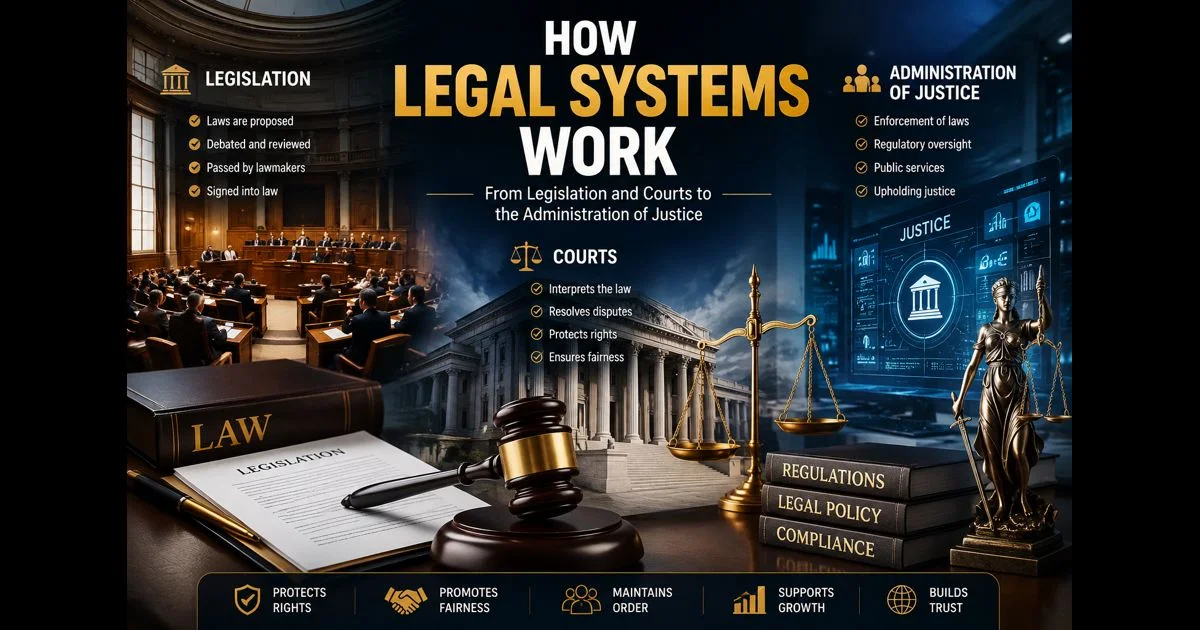
A criminal conviction can affect certain civil issues, but it does not automatically calculate the family’s damages. The processes have different parties, procedures, evidence rules, burdens of proof, and remedies. A broader explanation of these institutional differences appears in CNLawBlog’s guide to how legal systems work.
Insurance and Practical Recovery Issues
Proof of liability and the practical ability to recover a judgment are related but distinct questions.
A case evaluation may examine:
- automobile or commercial liability coverage;
- umbrella or excess insurance;
- employer coverage;
- property insurance;
- product-liability policies;
- professional-liability coverage;
- coverage exclusions;
- policy limits;
- multiple claims against the same policy;
- contractual indemnity; and
- assets available to satisfy a judgment.
An insurer’s policy limit does not establish the value of the claim. It identifies a possible source of payment. Coverage disputes, reservations of rights, multiple insured parties, and competing claims can affect the amount practically available.
What Does a Los Angeles Wrongful Death Attorney Do?
The attorney’s work should begin with evidence and applicable law rather than a promised settlement amount.
Depending on the case, counsel may:
- Determine which jurisdiction’s law applies.
- Identify eligible wrongful death claimants.
- Determine whether a personal representative or successor in interest is needed.
- Identify every potentially responsible party.
- calculate the applicable notice and filing deadlines.
- Preserve physical, documentary, and electronic evidence.
- Obtain medical, employment, financial, and official records.
- Evaluate available insurance and other recovery sources.
- Retain appropriate experts when specialized knowledge is required.
- Calculate supported economic and non-economic losses.
- Handle communications with insurers and opposing parties.
- File required claims, notices, and court documents.
- Conduct discovery and take or defend depositions.
- Evaluate settlement terms and releases.
- Prepare the case for trial when a supported resolution cannot be reached.
Not every matter requires every step. The appropriate investigation depends on the event, available evidence, disputed issues, and legal theories involved.
The Usual Civil Case Process
No single timetable applies to every wrongful death case, but a matter may move through several stages.
Initial Investigation
Counsel identifies the claimants, defendants, legal theories, deadlines, evidence, insurance, and unresolved factual questions.
Required Claims or Notices
Government, medical-negligence, and other specialized claims may require an administrative claim or statutory notice before a lawsuit can proceed.
Filing and Service
A complaint identifies the parties, allegations, legal claims, and requested relief. Filing begins the court action, while proper service gives the defendants formal notice.
Defendant Responses
Defendants may admit or deny allegations, assert defenses, challenge the pleadings, dispute jurisdiction, or identify other potentially responsible parties.
Discovery
The parties exchange relevant information through document requests, written questions, subpoenas, depositions, inspections, and expert discovery.
Motions
A court may be asked to decide procedural or legal issues before trial. A motion ruling can narrow the case, exclude evidence, resolve a claim, or permit the matter to continue.
Negotiation or Mediation
Settlement discussions may occur before or after filing. Mediation can help the parties evaluate liability, damages, litigation costs, and uncertainty, but it does not guarantee an agreement.
Trial and Possible Appeal
If the case does not resolve, a judge or jury may decide the disputed issues. A qualifying party may later seek appellate review based on recognized legal grounds.
The duration depends on the number of parties, complexity of the evidence, expert issues, court scheduling, settlement discussions, and any appeal.
How to Evaluate a Settlement Offer
A settlement should be reviewed as a complete legal and financial arrangement, not merely as a gross number.
Relevant questions include:
- Which parties and claims will the release cover?
- Does the offer account for all supported economic losses?
- How are non-economic losses evaluated?
- Are attorney fees calculated before or after costs?
- Which litigation expenses will be deducted?
- Are medical, benefit, workers’ compensation, or other liens involved?
- How will the recovery be allocated among eligible claimants?
- Is court approval required?
- Does the agreement contain confidentiality or non-disparagement terms?
- What amount will each claimant receive after deductions?
- Which rights will permanently end when the release is signed?
A settlement can provide certainty and avoid additional litigation, but it can also end claims permanently. An offer should not be accepted or rejected solely because it is described as the insurer’s “final” position.
Choosing a Wrongful Death Attorney in Los Angeles
The most visible advertisement or closest office does not necessarily identify suitable counsel. Relevant experience, preparation, communication, and a clear written agreement are more useful considerations.
Families can begin by confirming the lawyer’s licensing status through the State Bar of California Attorney Search.
Questions to ask include:
- Is the attorney currently authorized to practise law in California?
- Has the attorney handled wrongful death matters involving this type of incident?
- Who will perform the day-to-day work?
- Who will appear in court or conduct depositions?
- Which evidence should be preserved immediately?
- Which defendants and insurance policies will be investigated?
- Will medical, engineering, reconstruction, economic, or other experts be needed?
- How are experts and litigation costs paid?
- What happens to costs if there is no recovery?
- Whom does the attorney represent?
- How will multiple heirs or possible conflicts be handled?
- How often will the family receive updates?
- Is the attorney prepared to litigate if settlement discussions fail?
A lawyer should be able to explain uncertainty without making a guarantee. Prior results can show experience, but they do not determine the outcome of a different case.
CNLawBlog’s broader guide to choosing wrongful-death counsel explains additional factors that may help families compare representation.
Understanding Contingency Fees and Costs
Many plaintiff-side wrongful death cases use a contingency-fee arrangement, under which the attorney’s fee depends on obtaining a recovery.
Under California Business and Professions Code Section 6147, a contingency-fee agreement generally must be in writing and include:
- the agreed contingency-fee rate;
- how costs and disbursements affect the fee and client recovery;
- whether related matters require additional compensation;
- whether the fee is negotiable; and
- where applicable, the statutory limits affecting the arrangement.
The agreement should also explain:
- whether the percentage changes after filing or at trial;
- whether costs are deducted before or after calculating the fee;
- who advances expert and litigation expenses;
- what happens to those expenses if no recovery is obtained;
- how liens or reimbursements are handled; and
- what happens if representation ends before the case concludes.
Professional medical-negligence matters are subject to additional contingency-fee limits under Business and Professions Code Section 6146.
Families should receive a signed copy of the agreement and ask for clarification before signing any term they do not understand.
Los Angeles Court and Verification Resources
A California wrongful death case may be filed in Los Angeles County when the court has jurisdiction and Los Angeles is a proper venue. The fact that a claimant or attorney lives in Los Angeles does not by itself decide where the case must be filed.
The Superior Court of Los Angeles County provides official court-location, filing, e-filing, case-access, and courtroom information. Court procedures should be checked against the correct case type and courthouse rather than assumed from a general online guide.
Statutory language should be confirmed through California Legislative Information. Court instructions and official records may provide additional authority, while commentary from private websites remains secondary. Readers unfamiliar with the difference can use CNLawBlog’s guide to research and verify legal information online.
Documents to Gather for an Initial Consultation
A family does not need a perfect file before speaking with an attorney. Waiting to collect every document can create unnecessary delay.
Available materials may include:
- the death certificate;
- police, collision, or incident reports;
- medical-provider information;
- medical and hospital records;
- autopsy or medical-examiner records;
- photographs and videos;
- witness names and contact details;
- insurance correspondence;
- employment and income records;
- benefit and retirement information;
- receipts for funeral and burial expenses;
- relevant emails, messages, and letters;
- product names, serial numbers, or purchase records;
- workplace or safety documents;
- probate papers;
- marriage, birth, adoption, or dependency records; and
- a written chronology of important events.
Original files should be preserved whenever possible. Copies can be organized by date without editing the underlying evidence.
Mistakes to Avoid After a Fatal Incident
Early decisions can affect a later claim. Families should be cautious about:
- signing a release without understanding every claim it ends;
- relying solely on an insurer’s deadline calculation;
- assuming the general two-year period applies to every defendant;
- discarding a vehicle, product, device, or other physical evidence;
- deleting messages or digital files;
- repairing relevant property before it can be inspected;
- making detailed public accusations;
- posting case information or private records on social media;
- assuming a criminal investigation protects the civil deadline;
- dividing a claim among relatives without checking who has standing;
- accepting an unsupported settlement estimate as a guarantee; or
- choosing counsel without reviewing licensing and fee terms.
Preserving information does not mean that a family has decided to sue. It protects the ability to make an informed decision after the facts and law have been reviewed.
Frequently Asked Questions
Who can sue for wrongful death in Los Angeles?
California Code of Civil Procedure Section 377.60 identifies the eligible claimants. They can include a surviving spouse, registered domestic partner, children, descendants of deceased children, certain intestate heirs, and specified dependents. Eligibility depends on the family and dependency facts.
Is the wrongful death deadline always two years?
No. Two years is the general limitations period for many California wrongful death actions, but public-entity, medical-negligence, federal, employment-related, and other specialized claims can involve different or additional requirements.
What happens when a government agency may be responsible?
A claim relating to death generally must be presented to the appropriate California public entity within six months after accrual. A separate lawsuit deadline can apply after the entity responds. Correct presentation should not be confused with informal notice to an employee or insurer.
Can a wrongful death claim proceed without criminal charges?
Potentially, yes. Wrongful death is a civil cause of action. A civil claim can exist even when prosecutors do not file charges or a criminal case does not result in a conviction.
Can several relatives file separate lawsuits?
Eligible heirs generally participate in one wrongful death action arising from the same death. All potential heirs should be identified because California treats the claim as joint and indivisible.
What is the difference between wrongful death and a survival action?
Wrongful death compensates eligible survivors for their losses. A survival action continues qualifying claims that belonged to the deceased person and is pursued by the proper estate representative or successor in interest.
Can survivors recover damages for grief?
Grief, sorrow, and mental suffering are not ordinarily separate elements of California wrongful death damages. The law instead recognizes specified losses connected with the relationship, such as loss of companionship, care, comfort, protection, training, and guidance.
Are wrongful death damages capped?
California does not impose one universal cap on every wrongful death claim. Professional medical-negligence claims are subject to statutory limits on qualifying non-economic damages. Other statutes may also affect particular defendants or claims.
Can a family recover punitive damages?
Punitive damages are not a routine part of survivors’ wrongful death damages. They may be available through a qualifying survival action or in the limited felony-homicide circumstances addressed by California Civil Code Section 3294.
How much is a Los Angeles wrongful death case worth?
No reliable average can value an individual case. The result depends on liability evidence, eligible claimants, financial and relational losses, comparative fault, insurance, statutory limitations, litigation risks, and collectability.
How long does a wrongful death case take?
There is no standard duration. Investigation, the number of defendants, expert evidence, court scheduling, discovery, settlement negotiations, trial, and appeal can all affect the timeline.
Does hiring an attorney mean the family must file a lawsuit?
No. An initial consultation can be used to identify deadlines, preserve evidence, evaluate possible claims, and understand available choices. A consultation does not require the family to begin litigation or accept representation.
Final Thoughts
A Los Angeles wrongful death claim requires more than evidence that a death followed another party’s conduct. California law determines who may bring the action, which losses can be recovered, how wrongful death differs from a survival claim, and which procedural requirements must be satisfied.
The most important questions are specific to the individual circumstances: what caused the death, which people or organizations may be legally responsible, who has standing, what evidence remains available, which damages can be supported, and whether a shortened deadline or special claim procedure applies.
Reliable decisions begin with preserved evidence, current primary legal sources, verified professional credentials, and a clear understanding of the proposed representation. No article or advertised case result can replace advice based on the complete facts and the law applicable to the particular claim.