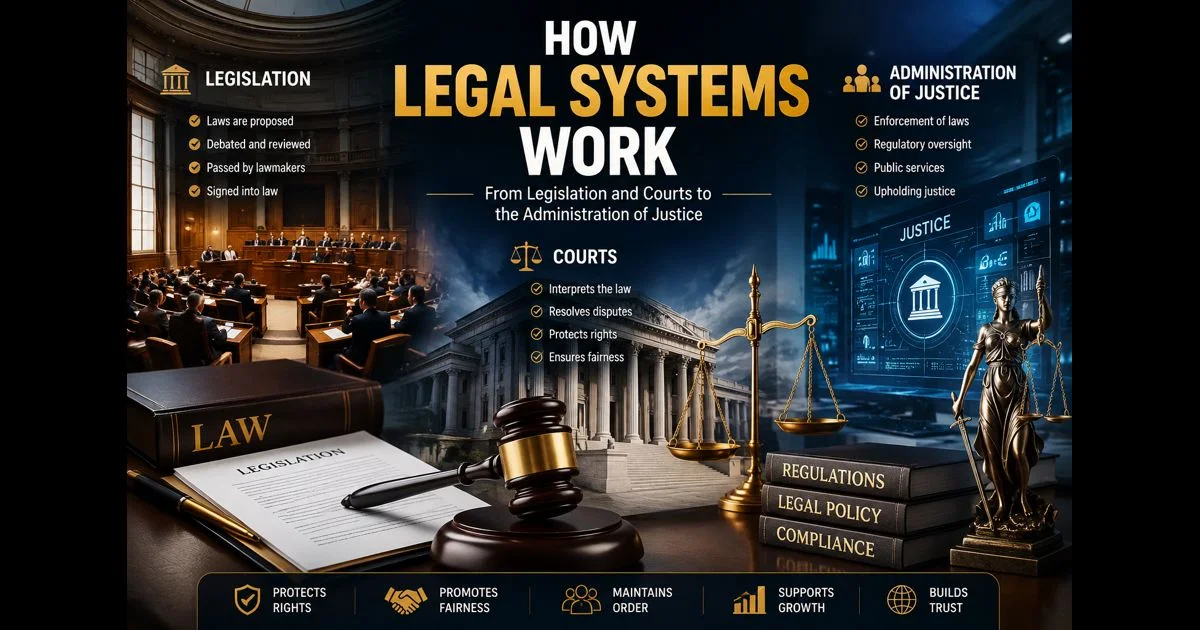
Welcome to the Dispute Resolution CN Law Blog, where we explore expert insights and strategies to effectively handle disputes within the context of Chinese law. Whether you’re a legal professional, business owner, or law student, understanding the nuanced landscape of dispute resolution in China is crucial. This article will guide you through the various methods available, including mediation, arbitration, and litigation, offering a deep dive into their benefits, drawbacks, and applications.
Understanding Dispute Resolution Methods
Dispute resolution is a critical aspect of legal practice, especially in a dynamic legal environment like China. The primary methods include mediation, arbitration, and litigation, each with distinct processes and outcomes.
Mediation
Mediation is an informal and voluntary process where a neutral third party facilitates discussions between disputing parties to help them reach a mutually agreeable solution. It is increasingly popular in commercial disputes due to its cost-effectiveness and ability to preserve business relationships. The CN Law Blog highlights that mediation’s success largely depends on the mediator’s skill and the parties’ willingness to compromise.
Arbitration
Arbitration involves a neutral arbitrator making binding decisions based on the evidence and arguments presented. It is preferred for its confidentiality and faster resolution compared to court proceedings. In China, the arbitration process is governed by the Arbitration Law, which ensures procedural fairness and enforceability of awards.
Litigation
Litigation is the formal process of resolving disputes through the court system. While it can be time-consuming and costly, it provides a definitive legal judgment. The CN Law Blog emphasizes the importance of understanding China’s legal framework and court system when pursuing litigation to ensure compliance with local regulations.
Choosing the Right Dispute Resolution Method
Selecting the appropriate dispute resolution method depends on various factors, including the nature of the dispute, the relationship between parties, and the desired outcome. Here are key considerations:
- Nature of the Dispute: Complex legal issues may require litigation, while simpler matters might benefit from mediation.
- Relationship between Parties: If maintaining a business relationship is crucial, mediation or arbitration might be preferable.
- Cost and Time: Consider the financial and time constraints, as litigation is often more expensive and lengthy.
- Confidentiality: Arbitration offers more privacy than public court proceedings.
Legal Framework in China
The Chinese legal system has specific regulations governing each dispute resolution method. Familiarity with these laws is essential for effective dispute management. Recent reforms have enhanced the efficiency of arbitration and mediation processes, reflecting China’s commitment to improving its legal infrastructure.
Emerging Trends in Dispute Resolution
Dispute resolution in China is evolving with emerging trends such as online dispute resolution (ODR) and digital tools. These innovations offer efficient, accessible solutions, especially in cross-border disputes. The CN Law Blog reports that ODR platforms are gaining traction for their ability to streamline processes and reduce costs.
Case Studies and Examples
Real-world examples from the CN Law Blog illustrate the practical application of dispute resolution methods. One notable case involved a commercial contract dispute resolved through mediation, saving both parties significant legal fees and preserving their professional relationship. Such examples highlight the strategic advantages of choosing the right method.
Comparison Table: Dispute Resolution Methods
| Method | Cost | Time | Confidentiality | Outcome |
|---|---|---|---|---|
| Mediation | Low | Short | High | Non-binding |
| Arbitration | Moderate | Medium | High | Binding |
| Litigation | High | Long | Low | Binding |
FAQs
- What is the most common dispute resolution method in China?
Mediation and arbitration are commonly preferred due to their cost-effectiveness and confidentiality.
- How does arbitration differ from mediation in CN law?
Arbitration results in a binding decision, while mediation seeks a mutually agreed-upon settlement without binding authority.
- What are the benefits of using ODR in China?
ODR offers efficiency, lower costs, and accessibility, making it particularly suitable for international disputes.
- Can foreign entities engage in arbitration in China?
Yes, foreign entities can participate in arbitration, provided the arbitration agreement specifies a recognized arbitral institution in China.
- What role does culture play in dispute resolution in China?
Cultural factors influence negotiation styles and the preference for maintaining harmony, often impacting the choice of dispute resolution method.
Conclusion
Understanding and selecting the right dispute resolution method is essential in navigating legal challenges in China. The insights from the Dispute Resolution CN Law Blog provide valuable guidance in this regard. By leveraging mediation, arbitration, or litigation effectively, businesses and individuals can achieve favorable outcomes while respecting the nuances of the Chinese legal system. For more detailed insights and strategies, continue exploring the resources available on the CN Law Blog.